

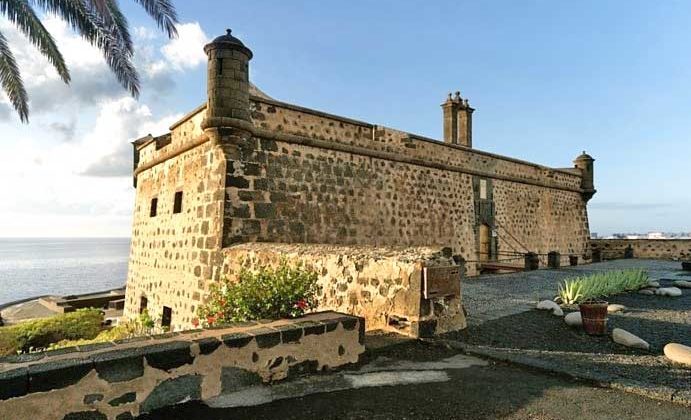
El Museo Internacional de Arte Contemporáneo MIAC - Castillo de San José, dependiente de los Centros de Arte, Cultura y Turismo del Cabildo de … [Leer más...] SobreMuseo Internacional de Arte Contemporáneo MIAC – Castillo de San José
Centros Turísticos
Parque Nacional de Timanfaya (Yaiza)
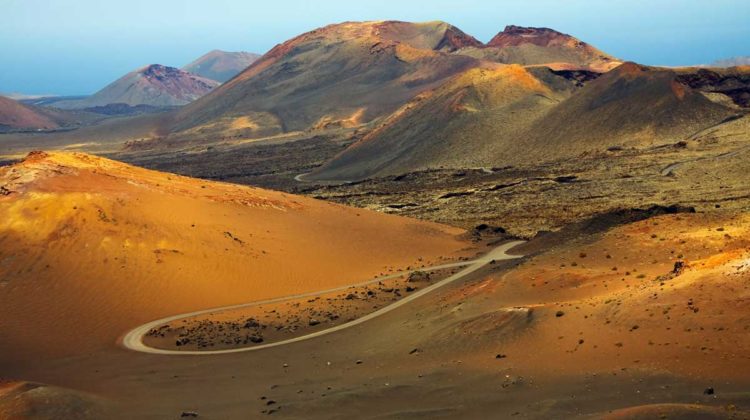
El parque nacional de Timanfaya, también llamado "Las Montañas del Fuego", forma parte de una amplia zona afectada por las erupciones volcánicas … [Leer más...] SobreParque Nacional de Timanfaya (Yaiza)
Jameos del Agua (Punta Mujeres)
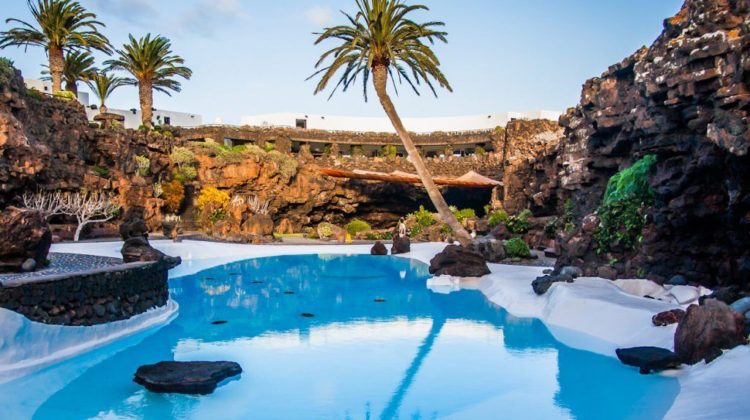
Los Jameos del Agua conforman el primer Centro de Arte, Cultura y Turismo creado por César Manrique y representan una de sus obras más … [Leer más...] SobreJameos del Agua (Punta Mujeres)
Cueva de los Verdes (Punta Mujeres)
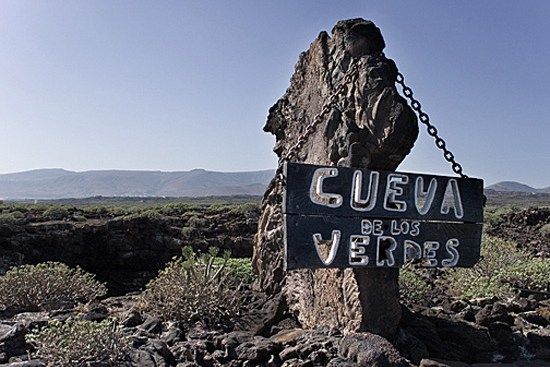
La Cueva de los Verdes se encuentra situada en el norte de la Isla de Lanzarote, en el municipio de Haría.Está integrada en el vasto paisaje … [Leer más...] SobreCueva de los Verdes (Punta Mujeres)
Jardín de Cactus (Guatiza)
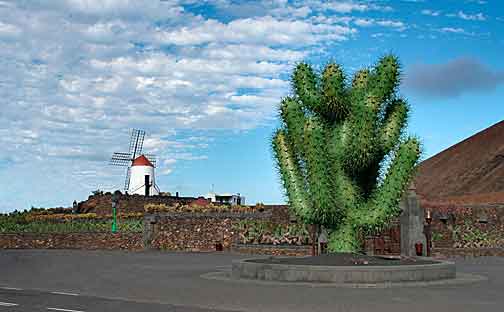
El Jardín de Cactus representa un magnífico ejemplo de una intervención arquitectónica integrada en el paisaje.César Manrique realiza esta audaz … [Leer más...] SobreJardín de Cactus (Guatiza)
Mirador del Río
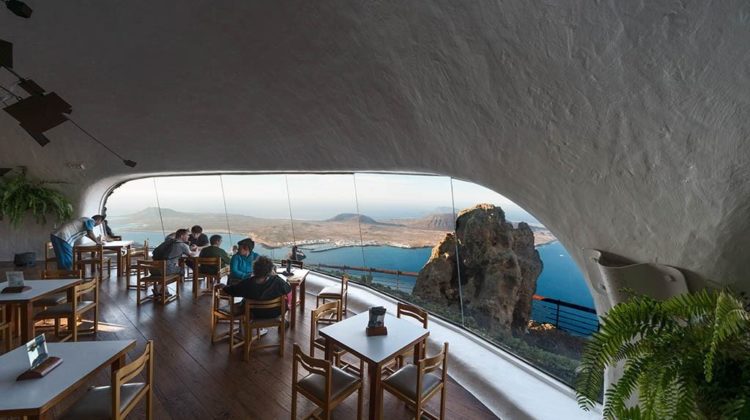
El Mirador del Río es una las creaciones arquitectónicas más representativas de César Manrique.Se encuentra situado en lo alto del Risco de … [Leer más...] SobreMirador del Río
Monumento al Campesino (San Bartolomé)
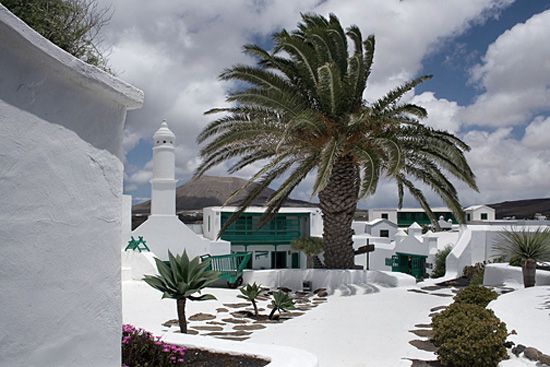
El Monumento al Campesino está situado en el centro geográfico de la isla, en el municipio de San Bartolomé.Es una de las obras de César Manrique … [Leer más...] SobreMonumento al Campesino (San Bartolomé)