San Marcial del Rubicón: Lanzarote’s Patron Saint
Every July 7, a village of just a few hundred people high in southern Lanzarote becomes the island’s spiritual center. Femés honors San Marcial del Rubicón, patron saint of Lanzarote and the Canary Islands, in what is the oldest fiesta in the archipelago. This is not a mass pilgrimage or a summer festival: it is a deep-rooted occasion, tied to the very founding of the European presence in the islands.
Who was San Marcial del Rubicón
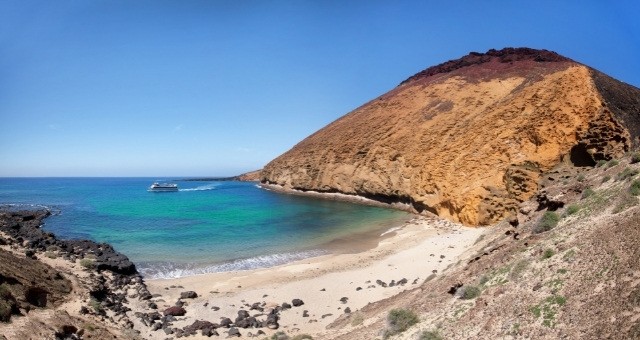
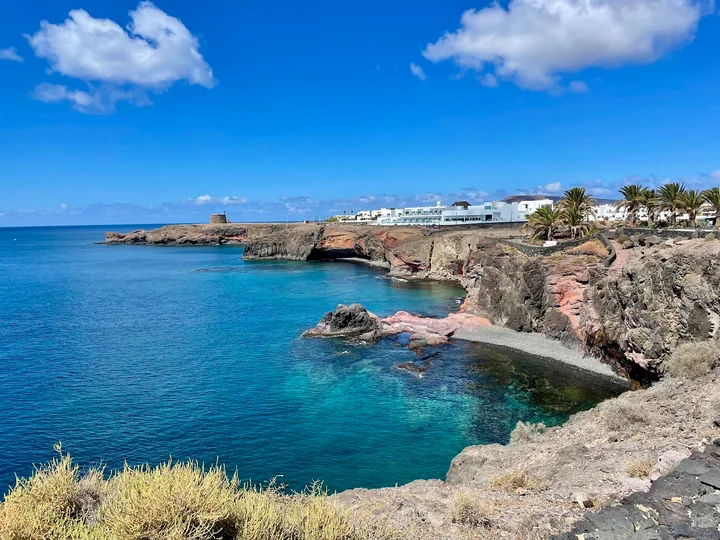
The name joins a saint and a place. Saint Martial of Limoges was a third-century bishop of Gaul; the Rubicón is the stretch of southwest coast in Lanzarote, beside today’s Papagayo beaches, where the history of the Canaries took one of its first steps. In 1404, at the request of the Norman Jean de Béthencourt and King Henry III of Castile, Pope Benedict XIII —the Avignon “Papa Luna”— issued the bull that created the Bishopric of Rubicón, the first in the archipelago, under the patronage of San Marcial. There, by the sea, rose the first city, the first castle, and the first cathedral in the Canaries.
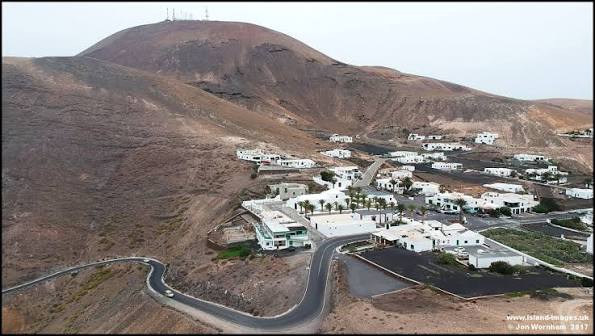
The bishopric moved to Las Palmas de Gran Canaria in 1483, and over the centuries devotion to San Marcial climbed from the coast up to Femés, the mountain village that guards his image today. Femés was an independent municipality until 1955, when it merged into Yaiza. That long memory —six centuries of continuous worship— is what sets this fiesta apart from any other patron-saint celebration on the island.
July 7: the Día Grande in Femés
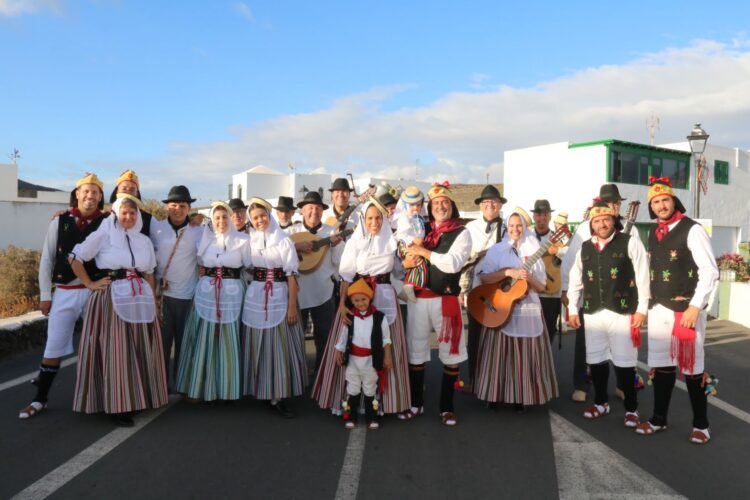
The heart of the fiesta is always July 7. Sporting events and activities fill the village in the morning; the essentials come as the afternoon cools. The solemn religious service gives way to the procession of the image of San Marcial through the streets of Femés, accompanied by the Yaiza Municipal Band, with the Timbayba folk group welcoming the saint at the church doors. It is a moment of strong local feeling: residents, officials from across the island, and pilgrims from other municipalities all gather in the square, in front of the church, with Los Ajaches as a backdrop.
The day closes with the San Marcial del Rubicón Soloists’ Encounter, an evening of Canarian voices that each year brings together some of the finest performers of island folk music. The fiesta is not confined to a single day: the program unfolds across the preceding week, with the opening proclamation, food competitions, workshops, open-air dances, and concerts filling the village streets.
How to experience the fiesta
Femés is about a 25-minute drive from Playa Blanca, climbing inland on a winding road that delivers one of the best panoramas in the south: the valley, Los Ajaches, and Fuerteventura on the horizon. The village is small, so it’s worth arriving early and parking on the outskirts on the busiest days, especially July 7.
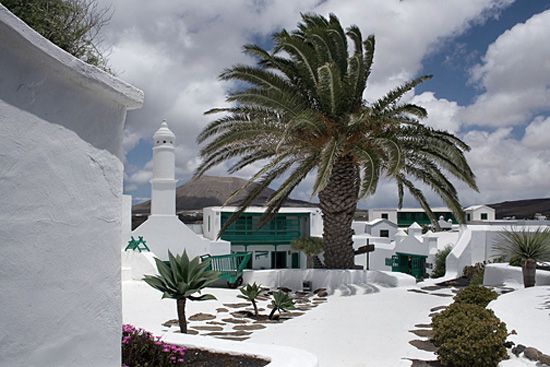
Beyond the fiestas, Femés is worth a stop any time of year. The Femés viewpoint is one of Lanzarote’s great natural balconies, and the church of San Marcial del Rubicón —rebuilt over centuries of history— holds the devotion that gives the whole story meaning. It’s also a starting point for hiking routes toward Los Ajaches and the Papagayo coast. Anyone who wants to understand Lanzarote beyond the beach will find one of its deepest layers here.
→ To place this and other dates within the island’s calendar, see our guide to things to do in Lanzarote.
→ The fiesta is best paired with a good meal: discover the island’s flavors in our guide to Canarian food.
Published: June 28, 2026. Official sources: Ayuntamiento de Yaiza, Cabildo de Lanzarote — Culture.