César Manrique: The Artist Who Designed Lanzarote
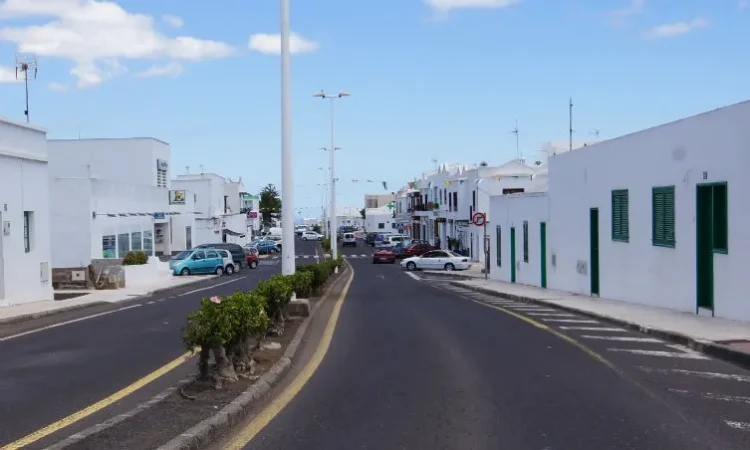
In Lanzarote you don’t go to see César Manrique’s work: you are inside it from the moment the plane lands. The white houses of restrained height, the absence of billboards, the sculptures turning in the wind on the roundabouts — all of it answers to the vision of a single artist who convinced an entire island that its landscape was its greatest asset. No other place in Europe owes so much of its appearance to one person.
From Arrecife to New York
César Manrique was born in Arrecife in 1919 and trained at the San Fernando Academy of Fine Arts during nearly two decades in Madrid. His painting, tied to Spanish informalism alongside names like Tàpies and Millares, took him to the Venice Biennales of 1955 and 1960. In 1964 he moved to New York, exhibited at the Catherine Viviano gallery and absorbed American abstract expressionism, pop and kinetic art firsthand. That visual culture — the scale, the movement, the idea that art could leave the canvas — was the luggage he brought home.
The return: an island as canvas
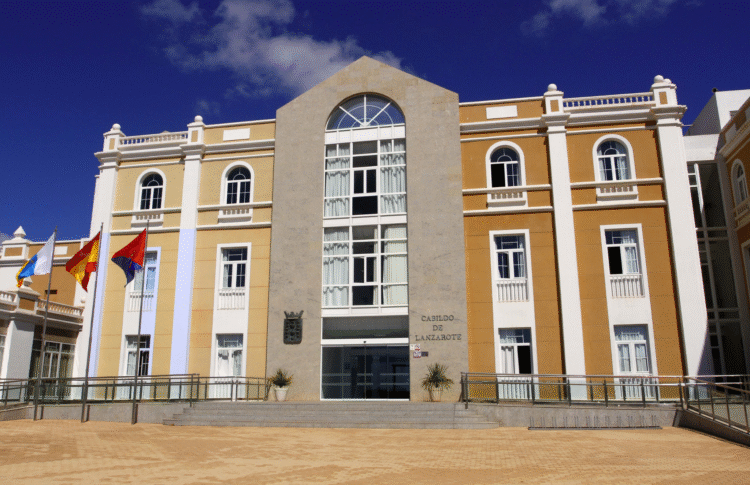
In 1966, Manrique returned to Lanzarote for good, just as the island was beginning its tourism development. What happened next has no equivalent: in alliance with José Ramírez Cerdá, then president of the Cabildo, he imposed a model where nothing was built taller than a palm tree, façades were painted white and advertising disappeared from the roads. Tourism did not have to destroy the landscape; it could celebrate it. That model was decisive in UNESCO declaring Lanzarote a Biosphere Reserve in 1993, and earned both men the posthumous title of favorite sons of the island.
What he built
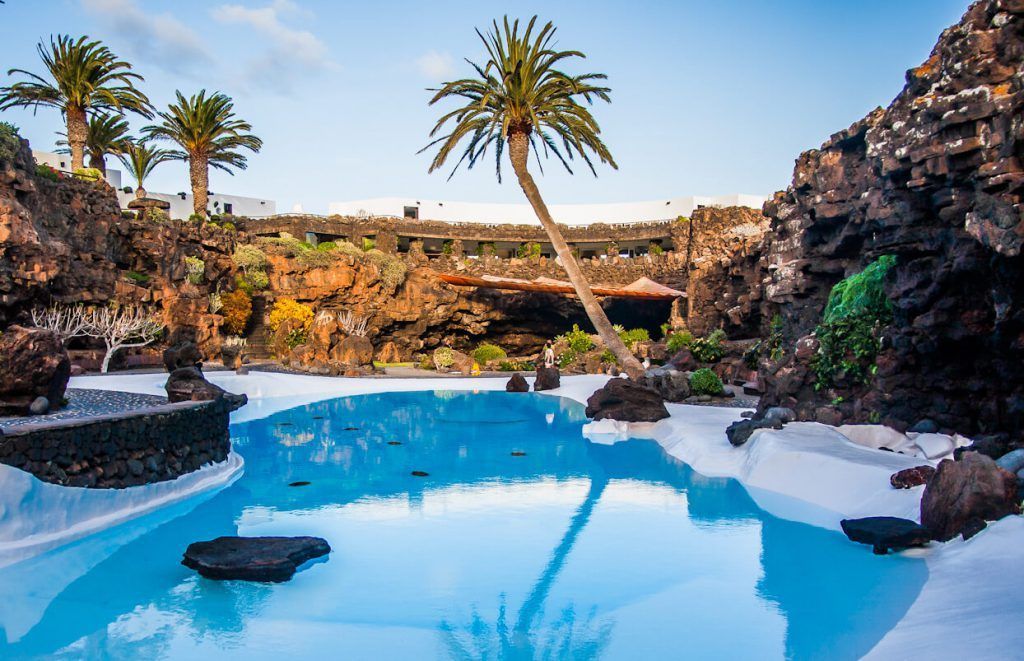
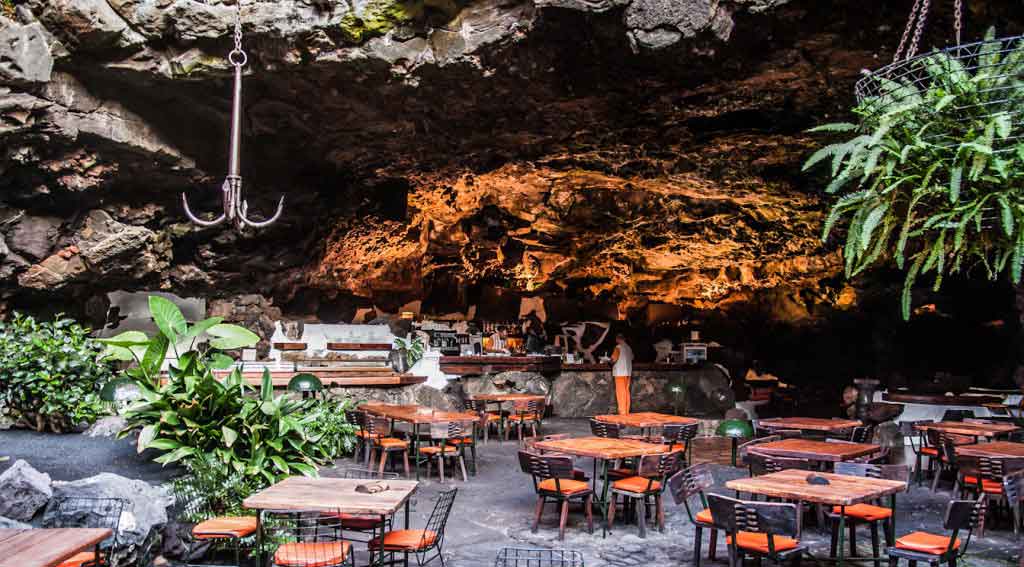
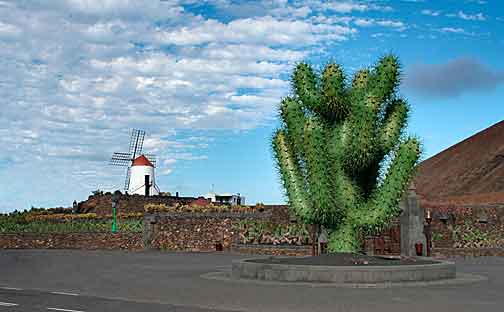
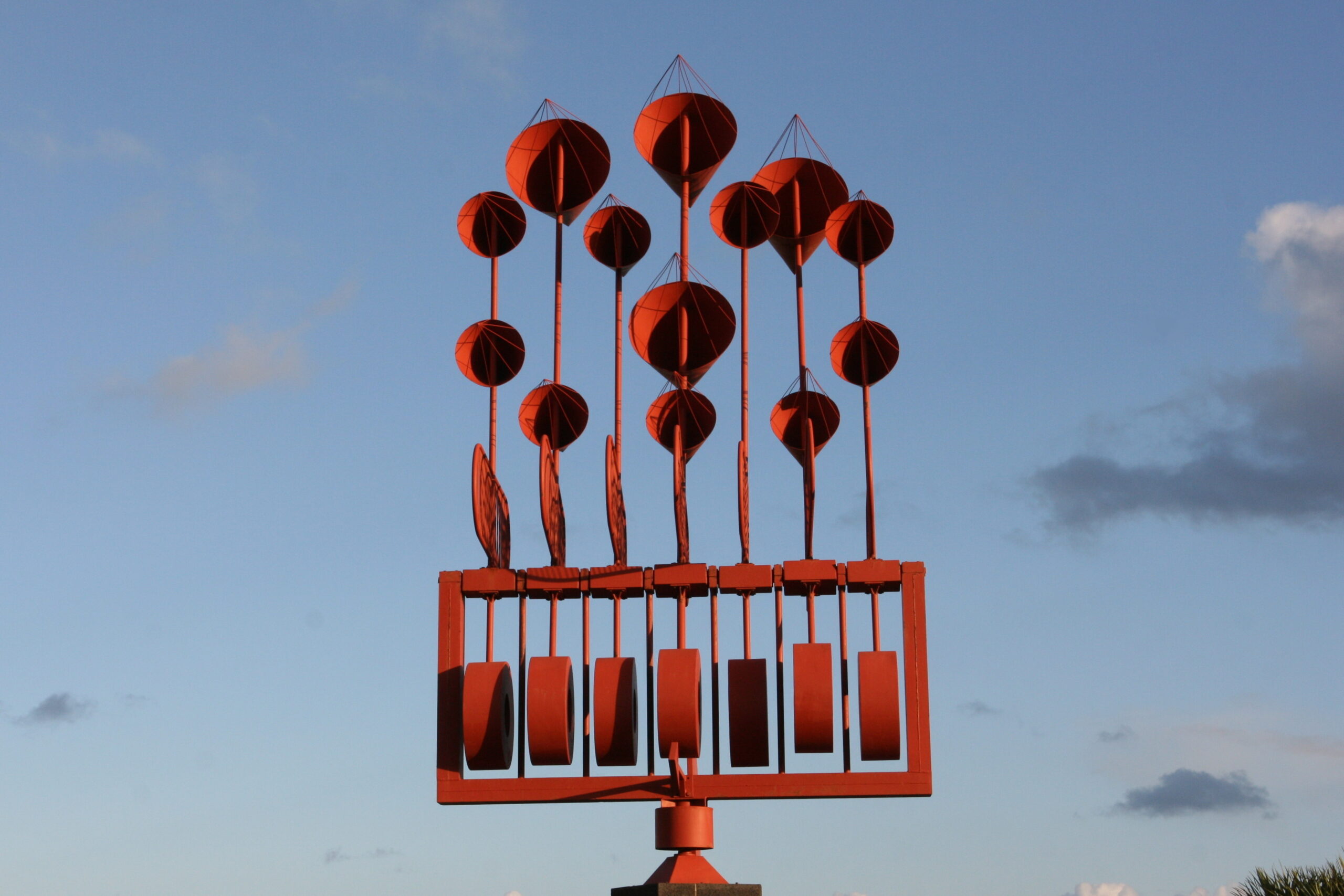
His interventions turn volcanic geology into livable spaces without taming it. Jameos del Agua, his first major work in the mid-sixties, transforms a volcanic tube into an auditorium, a garden and an impossible pool. Taro de Tahíche, the house he raised over five lava bubbles, is now the headquarters of the Fundación César Manrique. Mirador del Río hides a panoramic balcony inside the northern cliff, facing La Graciosa. The Jardín de Cactus, his last major work (1990), arranges thousands of species in a former ash quarry in Guatiza. Add the El Diablo restaurant in Timanfaya, which cooks with the heat of the volcano, and the wind toys, the kinetic sculptures turning on roundabouts across the island. Beyond Lanzarote he left the Lago Martiánez in Tenerife, lookout points on La Gomera and El Hierro, and the Parque Marítimo in Ceuta.
→ His house-studio at Tahíche, from the inside: the César Manrique Foundation.
The activist
Manrique was not just the author of the model: he was its most inconvenient defender. When he understood in the early eighties that construction threatened to overrun the island, he published the manifesto Momento de parar (“Time to Stop,” 1985) and joined the mobilizations in defense of the territory. He died in a traffic accident in September 1992, a few meters from the foundation he had opened six months earlier. The conversation he started — how much tourism a landscape can bear — remains Lanzarote’s central debate.
How to experience his legacy today
The essential route has two houses and one circuit. The Fundación César Manrique in Tahíche opens year-round and is the best starting point: the house over the lava bubbles explains his language in a single visit. The Casa Museo in Haría, in the valley of a thousand palms, is preserved exactly as he left it, workshop intact. The CACT circuit — Jameos del Agua, Mirador del Río, Jardín de Cactus, the Fire Mountains — completes the major works; combined tickets make the route cheaper. And there is a free, permanent version: the wind toys on the roundabouts, the white façades and a horizon without billboards. Just drive across the island with your eyes open.
→ To fit the Manrique route into a full trip, see our guide to things to do in Lanzarote.
Published: June 1, 2014. Updated: June 10, 2026. Official sources: Fundación César Manrique, CACT Lanzarote, Cabildo de Lanzarote.