Things to Do in Lanzarote: A Local Guide Beyond the Resort
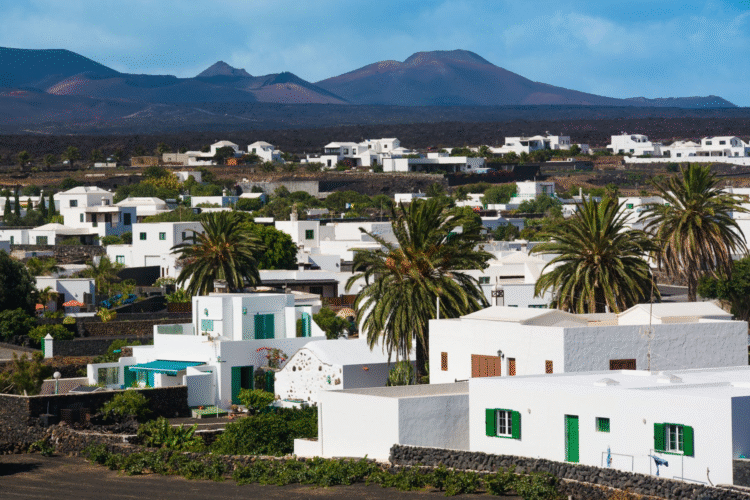
Twenty minutes from any hotel pool, the strangest landscape in Europe begins. Lanzarote is not a beach destination with a few attractions bolted on: it is an island conceived almost as a single work of art — César Manrique’s — that happens to have beaches. Stay at the resort and you see a small version of the island. This guide is about leaving it behind.
Manrique’s island
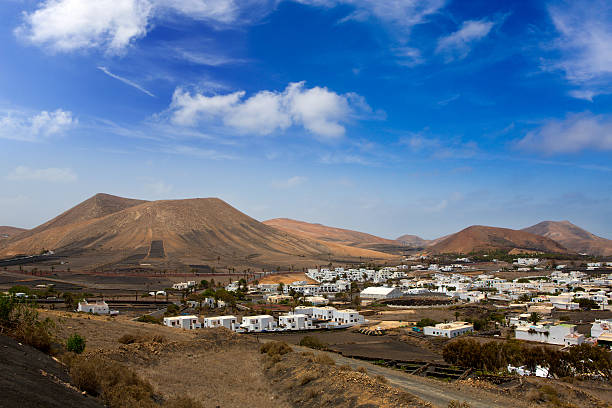
To understand Lanzarote, you have to understand one person. César Manrique, an artist and activist born in Arrecife, convinced the island in the 1970s that nothing should be built taller than a palm tree and that tourism did not have to destroy the landscape. The result is an island with no large billboards, no high-rises, and a series of spaces — the Centers of Art, Culture and Tourism (CACT) — that turn volcanic geology into art you can walk through.
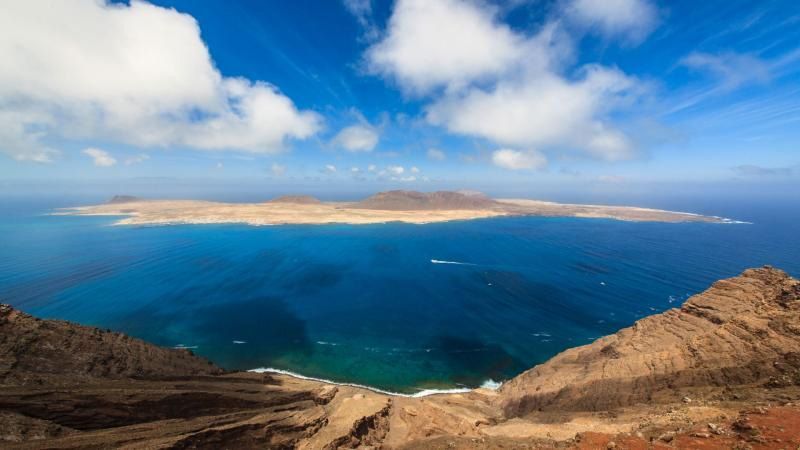
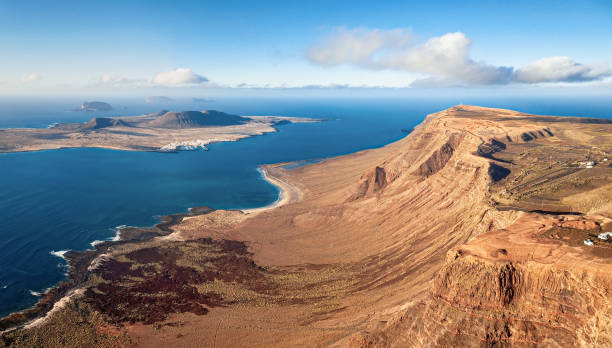
Jameos del Agua, set inside a volcanic tube with an underground lake and blind albino crabs found nowhere else on earth, is the best place to start. Cueva de los Verdes, in the same tunnel system, hides a trick of light best left unspoiled. Mirador del Río looks out from the northern cliff with the finest view of La Graciosa, and the Jardín de Cactus gathers thousands of species in a former quarry. If you only have two days, prioritize Jameos del Agua and Mirador del Río: they explain the island best.
→ Who he was and how to see all his work, in our guide to César Manrique. More on one of these spaces in our guide to Cueva de los Verdes.
Timanfaya and the volcanic south
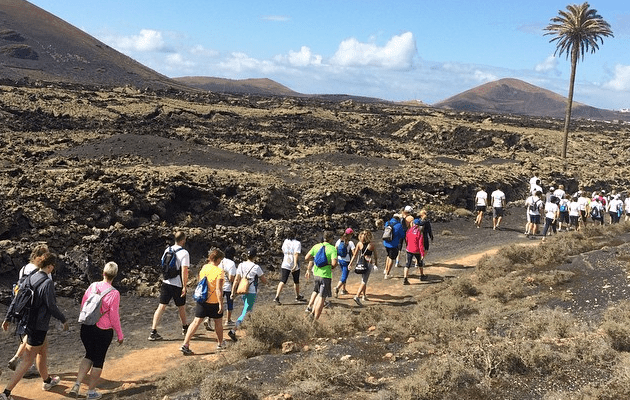
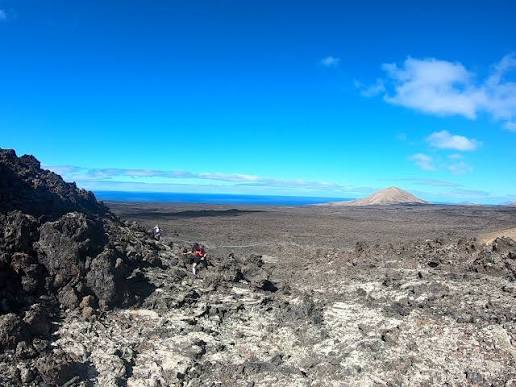
Timanfaya National Park — the Fire Mountains — is the image most people associate with the island: red and black earth to the horizon, not a single plant. Important: access works by time slots and tickets must be bought online in advance on the CACT website, as there are no ticket sales at the gate. Arrive 15 minutes before your booked time. Full details at Visit Montañas del Fuego. A few kilometers away, El Golfo holds an impossibly green lagoon at the foot of a crater open to the sea, and the Salinas de Janubio keep traditional salt production alive across a mosaic of colored pans.
La Geria: vines on lava
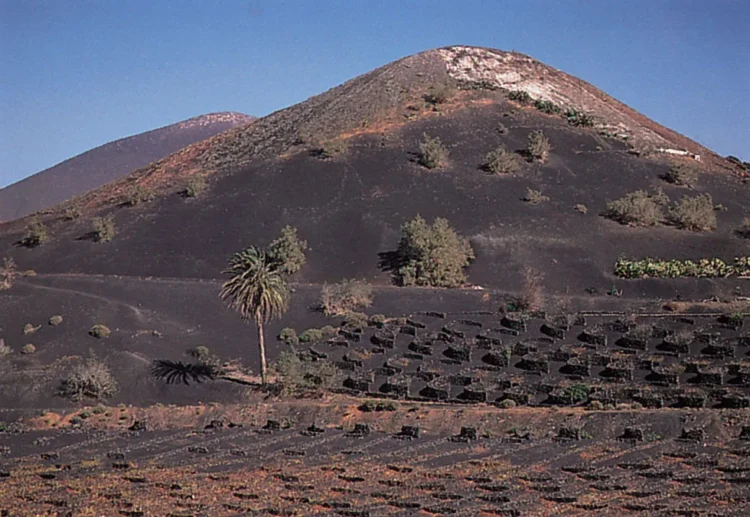
There is no other farming landscape like it on the planet. In La Geria, each vine grows inside a pit dug into volcanic ash (a zoco) and shielded by a semicircular dry-stone wall that protects it from the wind. The result is a sea of black hollows that the FAO has designated a Globally Important Agricultural Heritage System. The wineries open year-round for tastings of Malvasía Volcánica, a wine that tastes like nowhere else.
→ How it is grown and where to taste it, in our guide to Lanzarote wines.
The north and La Graciosa
The north is the island’s greener, more vertical side. The Famara cliffs drop onto a three-kilometer beach of golden sand, wind-swept and loved by surfers. The village of Haría, in the Valley of a Thousand Palms, holds the house-studio where Manrique spent his final years and a craft market on Saturdays. From Órzola, at the northern tip, the ferry leaves for La Graciosa: the eighth inhabited Canary Island, with no paved roads, sand streets and some of the best beaches in the archipelago. It is a day trip that changes the pace entirely.
→ A complete guide to La Graciosa. In the meantime, the Teguise market and La Graciosa excursion combines both in a single day.
Beaches worth the detour
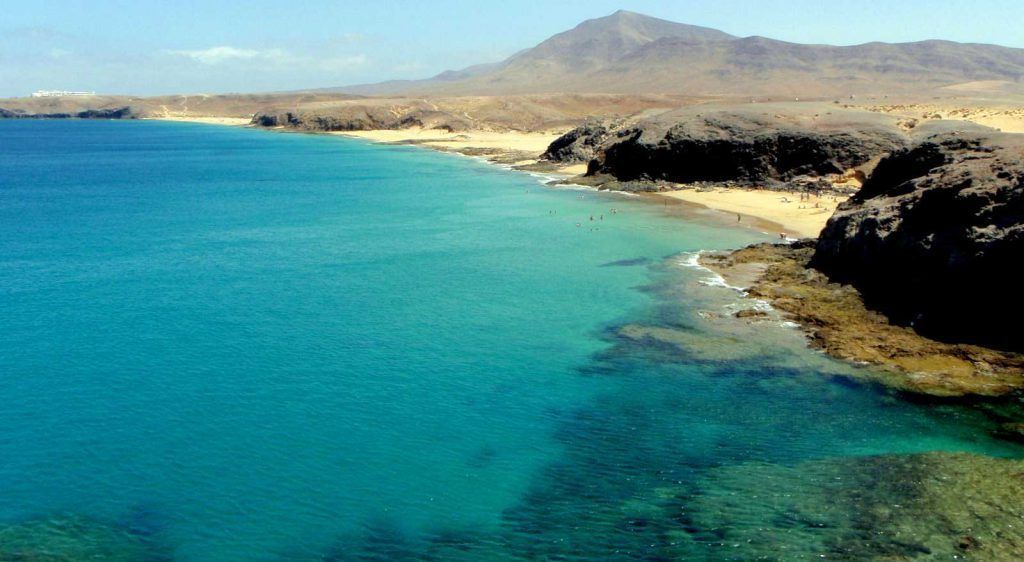
The Papagayo beaches, at the southern tip, are a string of golden coves and turquoise water at the end of a dirt track — the reason they still are not crowded. In the north, the natural pools at Punta Mujeres and Arrieta offer something different: volcanic rock pools with clear water, no sand but a calm that is hard to match.
→ Everything about the Papagayo beaches, or arrive by sea on the Papagayo catamaran excursion.
Markets and local life
Two markets set the rhythm of the week. Teguise, on Sunday mornings in the old capital, is the largest in the Canaries: crafts, local produce and a festive atmosphere through cobbled streets. Haría, on Saturdays, is smaller and more intimate, down in the palm valley. Shopping here — wine, cheese, mojo, aloe vera — is the most direct way to support the island’s producers.
How to plan the trip
Renting a car changes everything: distances are short (the farthest point is less than an hour from any resort) and many of the best corners are out of reach by public transport. Three days cover Manrique, Timanfaya and a beach; a week brings in La Graciosa, the south and time to wander without a plan. Each month has its own character, and our monthly guides break down weather, events and what to prioritize depending on the time of year.
Published: June 10, 2026. Official sources: CACT Lanzarote, Cabildo de Lanzarote, Geoparque Lanzarote, Fundación César Manrique.