Lanzarote Wine: La Geria, Wineries and Volcanic Wine Tourism
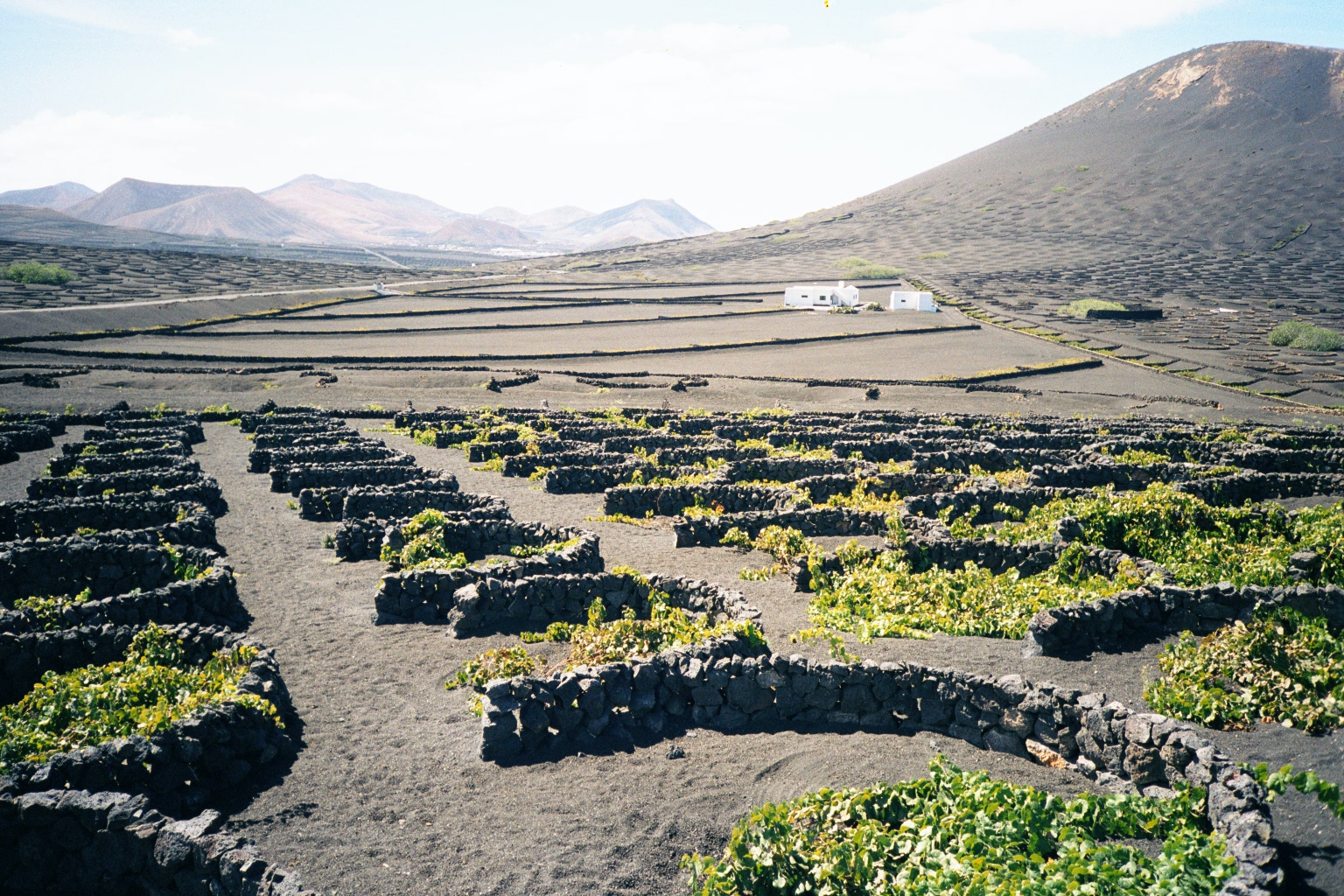
Lanzarote wine is born from an act of stubbornness against nature. The volcanic eruptions of the 18th century buried vast stretches of fertile land under meters of lava and ash. Rather than abandon farming, the islanders dug pits up to three meters deep through the volcanic cinder to reach the original soil, planted a vine in each one and shielded it from the wind with a semicircular dry-stone wall. The result, 300 years later, is the most singular viticultural landscape on the planet and a Denomination of Origin producing wines with a volcanic-mineral character found nowhere else in the world.
The cultivation system: pits, walls and lapilli
What makes Lanzarote wine unique is, literally, the ground. After the Timanfaya eruptions (1730-1736), farmers discovered that volcanic cinder — known locally as picón or lapilli — acted as a natural sponge: it absorbed the moisture from the overnight dew, retained it and filtered it down to the roots. The trick was to dig a pit (roughly 3 meters across and up to 2.5 deep), find the original fertile soil beneath the ash, plant the vine and let the lapilli do the rest.
Each pit is protected by a zoco: a semicircular wall of dry volcanic stone that blocks the constant northeast trade winds. Without the wall, the plant would not survive. The ensemble — pits, stone walls, black lapilli, volcanoes in the background — forms the landscape of La Geria, recognized by UNESCO as part of the Lanzarote Biosphere Reserve. None of this can be mechanized: from digging the pit to the harvest, everything is done by hand. The industry calls it heroic viticulture.
Malvasía Volcánica: a grape that exists only here
The star variety of the D.O. Lanzarote is Malvasía Volcánica, an indigenous grape that does not exist even in trace quantities anywhere else in the world. Adapted over centuries to the island’s extreme conditions — volcanic soil, sub-desert climate, constant winds, less than 150 mm of annual rainfall — it produces white wines with an intense aromatic profile and a mineral character that directly reflects the volcanic terroir.
A classic tasting of a young dry Malvasía from Lanzarote reveals a straw-yellow color, intense fruity aromas and a dry finish with almond notes. But the wineries have pushed far beyond that: barrel fermentation, aging on lees, traditional-method sparkling wines and orange wines now expand a range that is no longer limited to the young white. Alongside Malvasía, the D.O. works with Listán Blanco, Moscatel de Alejandría, Diego (Vijariego), and the red varieties Listán Negro and Syrah, among others.
The Denomination of Origin Lanzarote
Established in 1993, the D.O. Lanzarote groups around 1,700 grape growers and approximately 14 wineries working some 1,500 hectares of vineyard. The Regulatory Council certifies origin and guarantees quality from harvest to bottling. Productivity is low — between 1,000 and 1,500 kg of grapes per hectare — but the quality is exceptional: Lanzarote wines have accumulated national and international awards and become a reference for Atlantic viticulture.
The wine types covered by the D.O. include dry white, semi-sweet, classic sweet, rosé, red, fortified wine (where Moscatel de Alejandría is essential) and sparkling.
Wineries you can visit
Most D.O. wineries offer guided visits and tastings year-round. These are the most accessible for visitors:
Bodegas El Grifo: Founded in 1775, it is the oldest winery in the Canary Islands and one of the ten oldest in Spain. Wine museum, guided tours and tastings. Known for its Malvasía Seco Colección and its Brut Nature Reserva sparkling wine from pre-phylloxera vines.
Bodega Stratvs: Contemporary architecture integrated into the volcanic landscape. Visits with tasting and a terrace overlooking La Geria. Signature wines using modern techniques on traditional varieties.
Bodega La Geria: The most visited winery on the island, with a shop and terrace facing the vineyards. Accessible tastings and a good introduction for anyone approaching Lanzarote wine for the first time.
Bodegas Rubicón: Set in the Castillo de San Marcial, with one of the best views in the area. Visit the wine press, the underground cellar and tasting room.
Bodega Rocanegra: Smaller and more artisanal, linked to the hiking routes organized by the D.O. Regulatory Council.
Booking ahead is recommended, especially in high season (April-September). Opening hours vary: check directly with each winery.
Wine tourism beyond the tasting
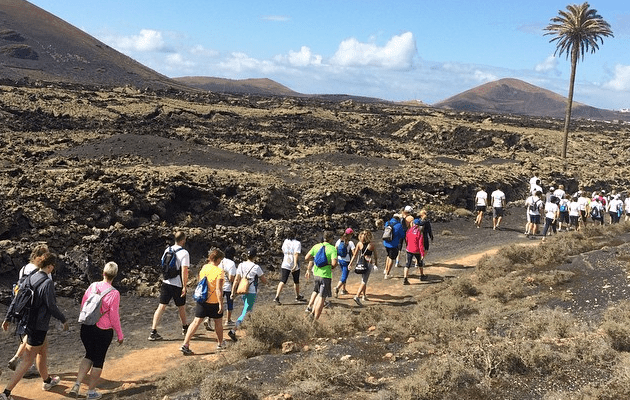
Wine tourism in Lanzarote goes far beyond sitting down to try wines. The Regulatory Council organizes guided hiking routes through the wine landscape, with winery visits and tastings included. The Ruta del Vino, a bus excursion from Arrecife that visits several wineries with tastings and live music, has become one of the island’s most popular experiences.
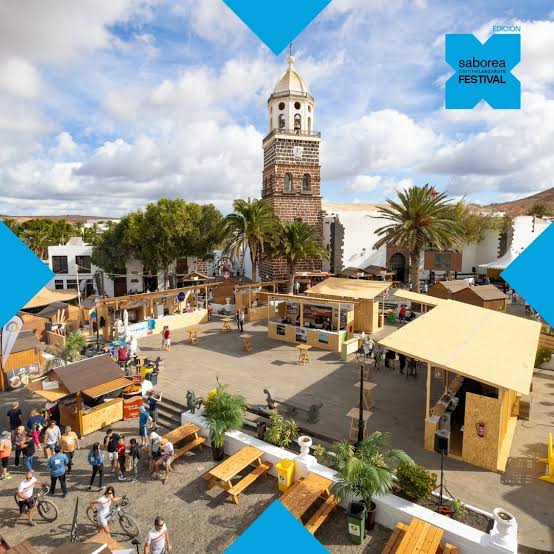
Sonidos Líquidos, the concert series in wineries and heritage venues that combines live music with D.O. wines and local gastronomy, has turned Lanzarote wine into part of a complete cultural experience. Other events such as Semana Malvasía, the Wine Run and the Saborea Lanzarote food and wine festival expand the calendar with offerings that attract a growing audience.
When to visit the vineyards
La Geria can be explored at any time of year, but each season offers a different landscape:
Spring (March-May): Green shoots fill the black pits — the most photogenic contrast of the year. April is especially beautiful, with the Malvasía in full bud break.
Summer (June-August): Leaves cover the pits. The harvest begins in late July and extends through August — the most intense moment on the viticultural calendar.
Autumn (September-November): Leaves turn yellow before falling. The wineries work on producing the new vintage.
Winter (December-February): The vines sleep. The landscape is austere, with the dry-stone walls dominating the scene. Without leaves, the architecture of the zocos is more visible than at any other time of year.
Practical information
Getting to La Geria: By car from the airport, approximately 20 minutes. Take the LZ-30 road between Uga and Teguise/San Bartolomé. Wineries are signposted from the main road.
Tasting prices: Approximately €8 to €25, depending on the number of wines and guided tour.
Tip: Don’t limit yourself to one winery. La Geria is easily explored on foot or by car between stops, and each winery has its own character.
Responsible buying: Purchasing wine directly at the wineries supports local growers and ensures fair prices. A good dry Malvasía starts at around €8-10 at the winery.
Official sources: D.O. Vinos de Lanzarote, Cabildo de Lanzarote,