Día de Canarias in Lanzarote: Guide, Traditions and Events
Every May 30, Lanzarote stops. Town squares fill with food stalls serving papas arrugadas, mojo sauces and grilled local cheese. Folk groups bring out the traditional dress. Canarian wrestlers raise dust on makeshift rings. And the seven municipal governments — Arrecife, Teguise, Yaiza, Tías, San Bartolomé, Haría and Tinajo — quietly compete to put on the best program. Día de Canarias in Lanzarote is the most cross-cutting celebration of the year: the only holiday that matters equally to locals and visitors, to every town and every generation.
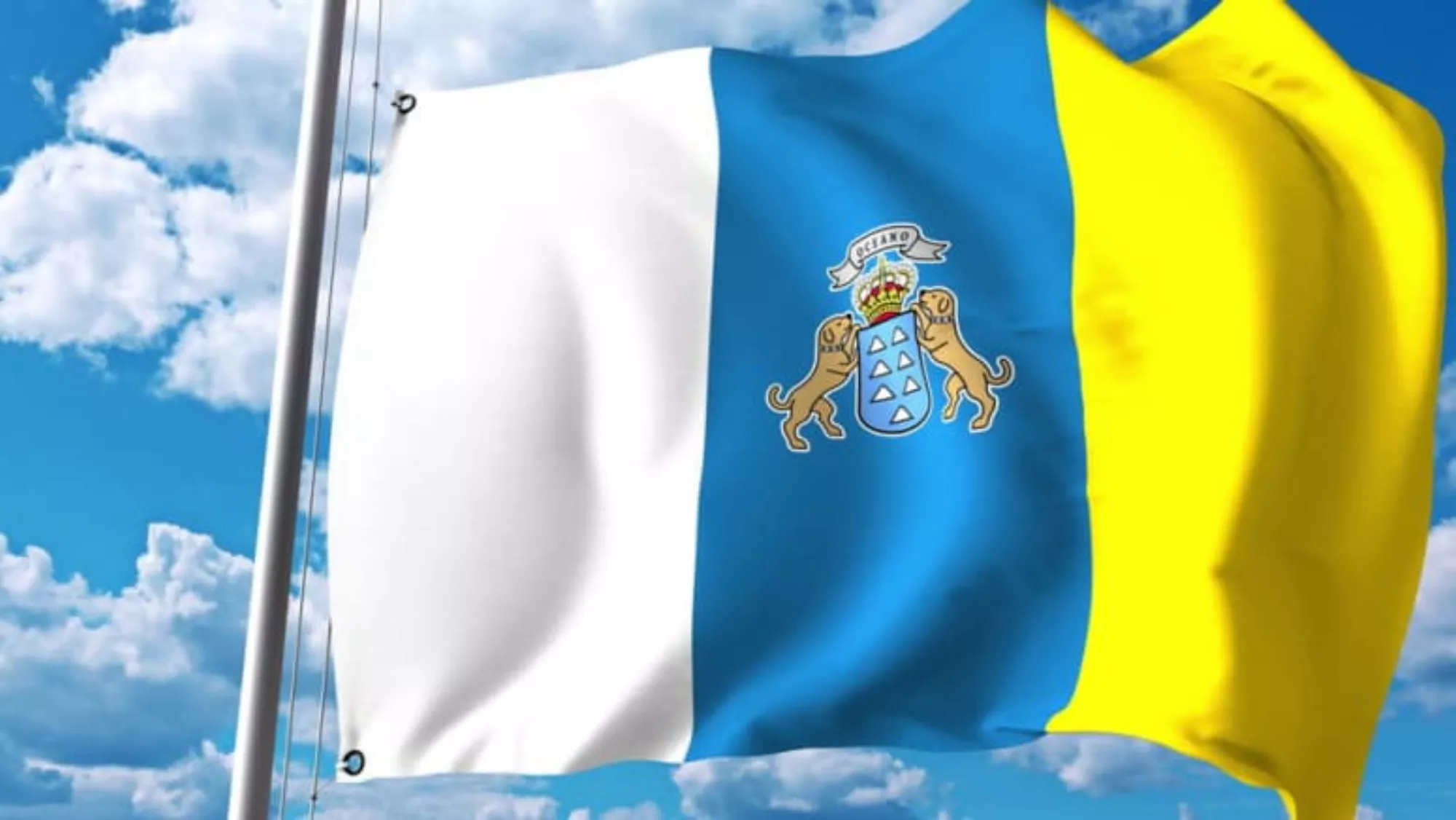
Día de Canarias commemorates the first session of the Canary Islands Parliament, held on May 30, 1983. It is the date when the archipelago was officially constituted as an autonomous community within Spain. Beyond the institutional ceremony, the day has become a celebration of Canarian identity: language, food, indigenous sports, music and the traditions that define the eight islands.
In Lanzarote, the celebration is especially participatory. This is not a day of parades watched from the sidewalk — it is a day of open plazas where people eat, dance and compete.
Día de Canarias in Lanzarote: how the island celebrates
The program varies by municipality and year, but the recurring elements form a recognizable structure:
Food stalls and gastronomy. The ventorrillos (food stands) serve the best of Canarian cooking: papas arrugadas with red and green mojo, Lanzarote goat cheeses (some nationally awarded), gofio amasado, goat meat, fresh fish and desserts like frangollo or bienmesabe. Some municipalities organize themed food fairs — Yaiza, for example, has hosted the Cheese and Goat Fair, and Arrecife typically includes tuna-carving demonstrations and local fish stew tastings.
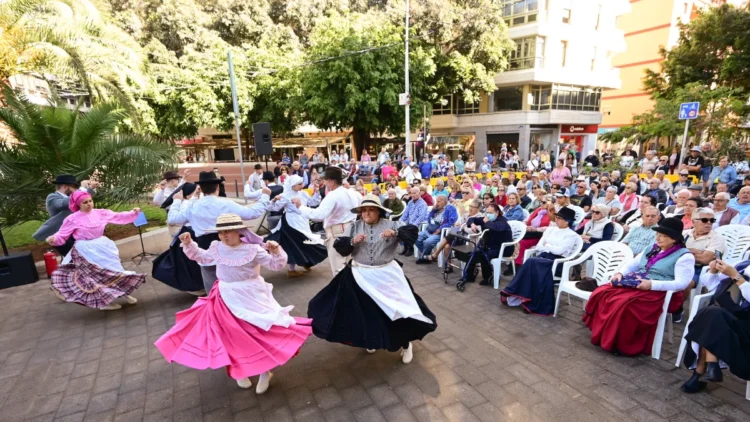
Folk music. Parrandas and folk groups perform in every town square, playing isas, folías, malagueñas and tanganillos — the musical genres native to the Canary Islands. The timple, the small five-stringed Canarian guitar, is always center stage. Many programs also feature concerts by contemporary local artists.
Indigenous sports. Canarian wrestling is the most visible: teams of wrestlers compete in rings set up in the plazas. Depending on the year and municipality, you may also see exhibitions of juego del palo (stick fighting), salto del pastor (shepherd’s leap) and vela latina (traditional sailing).
Institutional ceremonies. Each town council holds a morning flag-raising ceremony, usually accompanied by the Municipal Band and a folk group. It is brief, formal and open to the public.
Children’s activities. Craft workshops, traditional Canarian games, races and educational activities tied to local culture. Día de Canarias is one of the most family-friendly days of the year.
Where to experience it in Lanzarote
Arrecife typically hosts the most extensive program, usually centered on Parque José Ramírez Cerdá, with up to three days of activities starting the day before. The capital combines seafood-focused gastronomic events, parrandas and a festive atmosphere that lasts into the night.
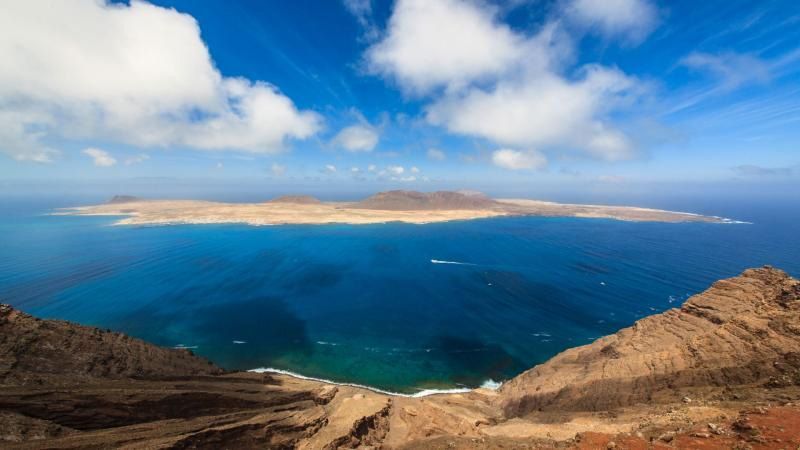
Teguise and La Graciosa celebrate with traditional stalls in the historic town and dedicated programming on the eighth island. Teguise often extends the schedule across several days with tradition fairs, concerts and cultural exhibitions.
Yaiza splits events between Playa Blanca (flag raising, music) and the town of Yaiza, where the Plaza de la Alameda hosts food fairs and activities through the weekend.
Tías spreads programming across the town itself, Plaza del Varadero in Puerto del Carmen and community centers in Conil, Mácher and Masdache — an effort to reach every corner of the municipality.
San Bartolomé, Haría and Tinajo run smaller but equally participatory programs, with community gatherings, exhibitions and events rooted in the collective memory of each town.
Tips for visitors
Dress Canarian. Town councils actively encourage traditional clothing. It is not mandatory, but joining the dress code is the fastest way to feel part of the celebration. Arrecife has put it plainly in more than one edition: “Don’t come in your swimsuit.”
Eat in the plazas. The food stalls offer excellent quality at popular prices. It is the best opportunity of the year to try authentic Canarian food outside a restaurant.
Check the program for the year. Each town council publishes its schedule in the weeks leading up to May 30. Municipal websites and the island’s Cultural Agenda are the best sources. Programs change every year — what does not change is that every town celebrates.
May 30 always falls on the same date — but not always the same day of the week. When it lands on a Friday or Monday, programming usually extends through the weekend. When it falls midweek, many municipalities shift part of the schedule to the nearest Saturday.
→ If you are visiting the island in spring, see our guide to Lanzarote in May, the month that hosts this celebration.
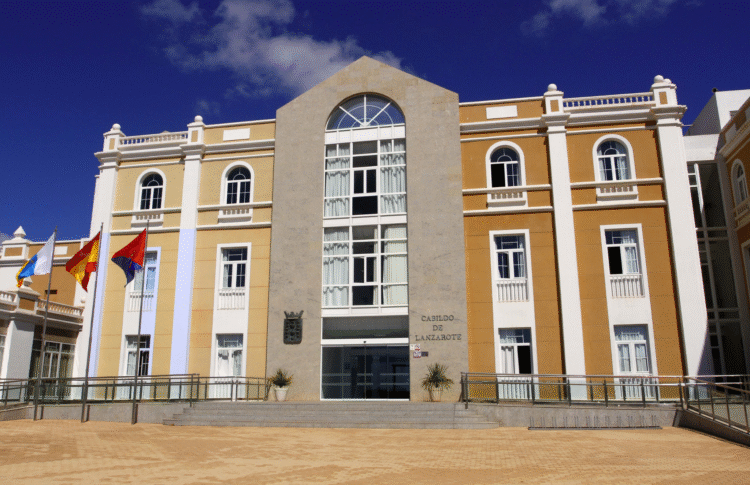
Published: May 31, 2026. Official sources: Arrecife Town Council, Yaiza Town Council, Teguise Town Council, Cabildo de Lanzarote.