Diabletes de Teguise: 600 Years of the Canaries’ Oldest Tradition
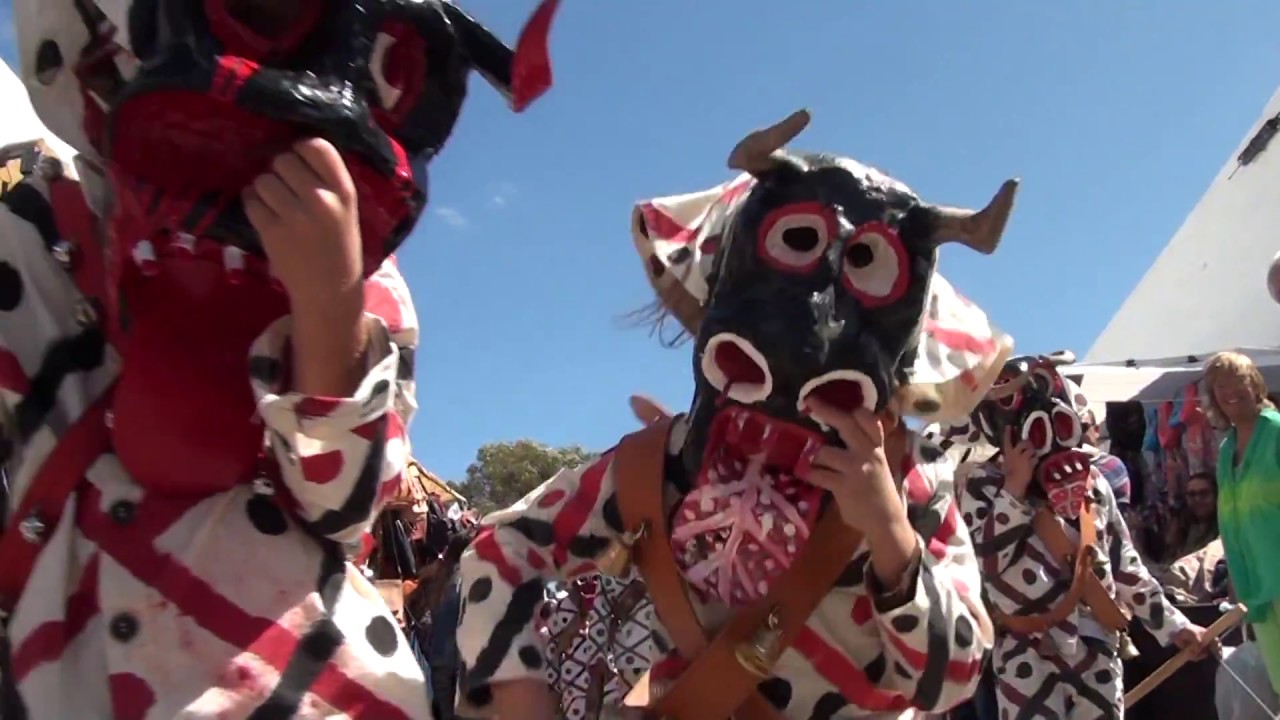
The Diabletes de Teguise are the most ancient figures in Canarian carnival and a tradition that exists in only one place on earth: the Villa de Teguise, the former capital of Lanzarote. For more than 600 years, these masked characters have roamed the cobblestoned streets to the rhythm of cowbells, chasing passersby with a leather pouch while children hide and adults step aside laughing. In 2024, the Canary Islands Government awarded them the Gold Medal — the archipelago’s highest cultural honor. But their story begins much earlier: in the ritual dances of the Mahos, the Berber settlers who inhabited Lanzarote before the European conquest.
Origins: the Mahos and the goat
The origin of the Diabletes de Teguise is traced to the competitive, ritual and festive dances of the ancient Mahos, Lanzarote’s pre-Hispanic inhabitants of Berber culture. For these early settlers, the male goat was a symbol of strength and virility — an animal that provided milk, meat, hides for clothing and horns for farming tools. Harvest celebrations included dances featuring elements that evoked the goat, and it is in these rituals that historians locate the seed of what we know today as the Diabletes.
That connection to the goat is the key. This is not an arbitrary costume: it is a direct link to the fertility and thanksgiving rites of a culture that depended on goat herding to survive on a volcanic, arid island.
From Corpus Christi to Carnival
The arrival of Castilian conquerors in the 15th century changed the context but did not eliminate the tradition. The Franciscans, tasked with evangelization, incorporated the dancers into the Feast of Corpus Christi, assigning them the role of representing evil in the symbolic battle between good and the devil. It was then that the Villa’s dancers received the name that defines them today: “diabletes” — little devils.
In the 16th century, the arrival of Moorish and African slaves on Lanzarote enriched the tradition with new influences: the appearance of the Black drummer, rhythms of African origin and superstitious elements that merged with the pre-existing rites. The first documentary reference appears in the minutes of the Cabildo de Lanzarote from 1658, which detail the expenses for the Corpus Christi celebration, including the “caratula” (mask) and the “linen purchased for the diablete’s costume.”
In the late 18th century, the Church banned the Diabletes from participating in religious celebrations. Cast out of Corpus Christi, they returned to the pagan festival: Carnival. It was a round trip — from ritual to religion and back to popular celebration — that defines the hybrid nature of this tradition.
The costume: every detail has meaning
The diablete costume has evolved over the centuries, but every current element retains a symbolic charge connecting it to its origins.
The mask: A bull or ox face with goat horns, large eyes and a long red tongue. Painted in red and black. Originally a pure goat mask; when the tradition moved from Corpus to Carnival, it became a fusion of bull and goat. It is grotesque by design: intended to evoke demons, protect against evil spirits and, above all, to frighten.
The costume: White trousers and blouse painted with diamond patterns of black and red lines, with a dot (red or black) at the center of each diamond. Before the shift to Carnival, the dancers wore goatskins. Linen and cotton replaced them, but the colors — white, red, black — endured as a direct inheritance.
The cowbells (esquilas): Leather straps with bells and clappers of wood and brass crossing the chest. The sound of the cowbells is the diablete’s herald: in the Villa de Teguise, locals know they are coming before they see them. Grandmothers used to tell how children hid under their beds at the first jingle.
The zurrón: A short stick from which hangs a leather pouch stuffed with papers, rags and a little earth. It is the diablete’s weapon: used to strike and chase anyone who crosses their path. It doesn’t hurt, but it startles — and that is exactly the point.
A tradition exclusive to Teguise
The Diabletes do not exist in any other municipality on Lanzarote or on any other island in the Canary archipelago. They are exclusive to the Villa de Teguise, the island’s capital for more than four centuries. This exclusivity is no coincidence: Teguise was the seat of power, the point where Maho, Castilian, Moorish and African cultures converged to shape the tradition.
Lanzarote has two traditional carnival figures without equivalent anywhere else in the Canary Islands: the Diabletes de Teguise and the Buches de Arrecife. The first represent the ancient Maho dancers; the second originate in ceremonies of offerings to the sea. Together, they form the oldest carnival heritage in the archipelago.
The Cultural Association and the Gold Medal
The survival of the Diabletes in the 21st century is largely due to the work of the Asociación Cultural Los Diabletes de Teguise, which runs workshops for young people to learn to make the masks and costumes, keeps alive the parranda that parades through the streets during Carnival, and acts as guardian of a tradition that might otherwise have been lost.
The milestones of institutional recognition tell the story: in 1991, the Town Council applied for the diablete to be declared a Bien de Interés Cultural (Cultural Heritage Asset). In 2012, a street in the Villa was named in their honor. In 2013, a diablete sculpture by Rigoberto Pérez Camacho was installed in the Plaza de San Francisco. And in 2024, the Canary Islands Government awarded them the Medalla de Oro de Canarias — the highest honor granted by the regional government — in a ceremony held on Canary Islands Day (May 30) at the Teatro Pérez Galdós in Las Palmas de Gran Canaria.
How to experience the tradition
During Carnival: The main event is the Carnival of Teguise, held each year between February and March. The Friday of the Traditional Carnival is the unmissable day: cultural groups from Lanzarote, Gran Canaria and Tenerife gather in the Villa for a celebration of carnival in its most authentic form, with the Diabletes leading the day. Dates shift with the liturgical calendar, so check the Teguise Carnival programming on our site at the start of each year.
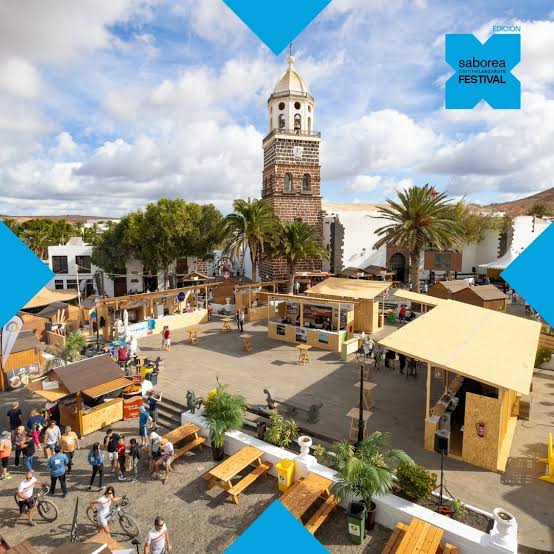
Any day of the year: The Villa de Teguise keeps the diablete alive 365 days a year. In the Plaza de San Francisco, Rigoberto Pérez Camacho’s sculpture greets visitors. The Teguise Market (Sundays from 9:00 am to 2:00 pm), the largest market in the Canary Islands, takes place on the same cobblestoned streets the Diabletes parade through during Carnival — strolling the Villa on a Sunday is experiencing the stage without the show. Local craft shops sell replica masks, and the bars on the plaza display historic photographs and posters.
Workshops and activities: The Asociación Cultural Los Diabletes de Teguise runs mask and costume-making workshops throughout the year, especially aimed at introducing younger generations to the tradition. For dates and availability, check the Teguise Town Council website.
Official sources: Teguise Town Council, Teguise Municipal Historical Archive, Government of the Canary Islands.