Rubicón excavations: seventh dig season finds two new wells
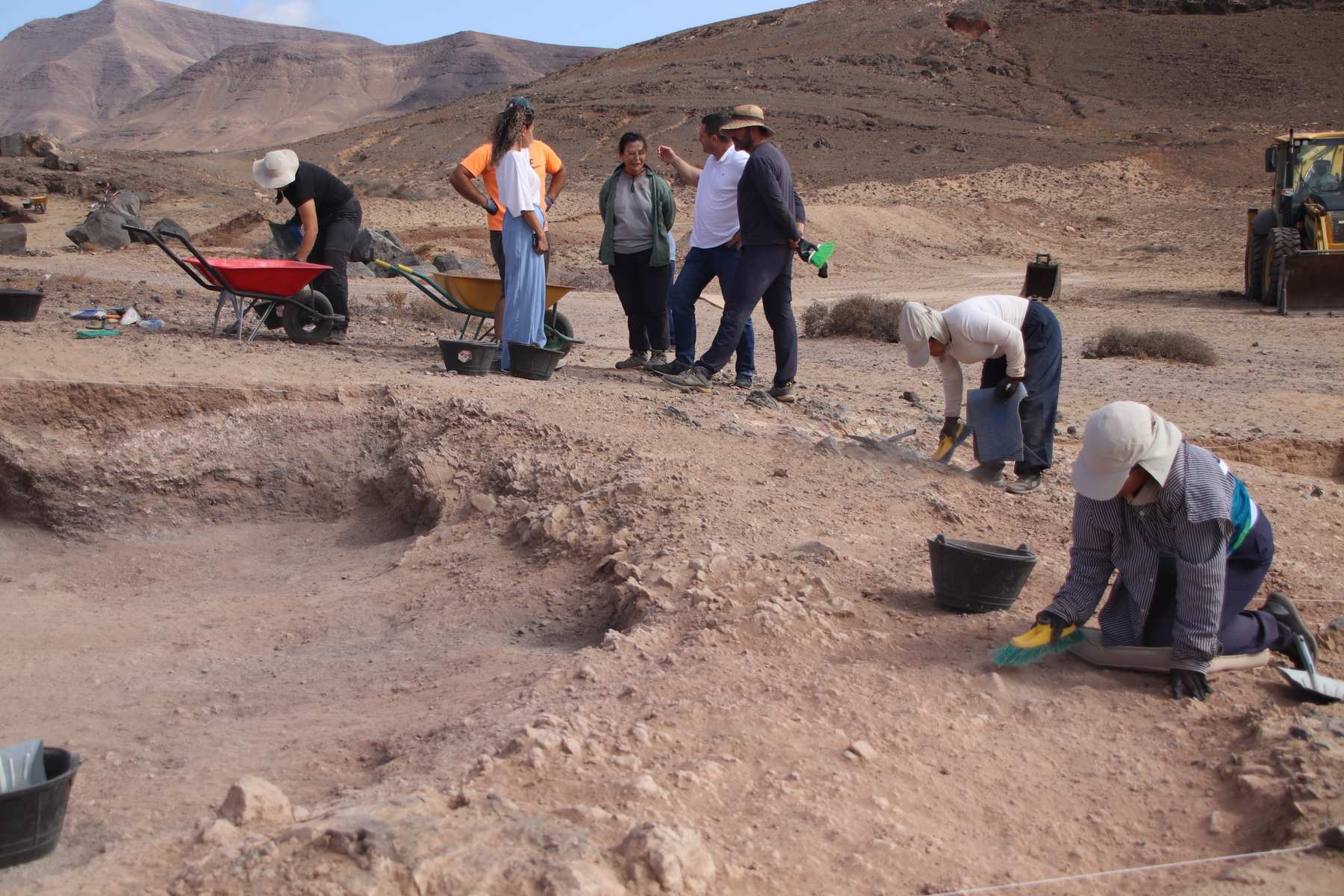
The Rubicón excavations in Yaiza have finished their seventh season with two new wells and a third structure linked to the water system at San Marcial del Rubicón, the first European settlement in the Canary Islands, founded by a Norman expedition in the 15th century. That brings the number of confirmed wells to six.
What the seventh season found
The Yaiza town council announced the results on Wednesday, October 28. The team cannot yet confirm that the two wells date from the town’s founding: that will take more digging. They do show how the settlers made use of natural resources. The season also found a space that may be linked to the lime kiln uncovered in earlier seasons, and returned to the area known as “the square,” first explored by professors Antonio Tejera and Eduardo Aznar.
Earlier seasons turned up pottery, coins, homes, fortifications, a cemetery and a lime kiln. According to the team, the Rubicón was the first frontier town in the mid-Atlantic, where newcomers and the conquered Indigenous population lived side by side.
Key facts about the Rubicón excavations
The work is led by archaeologists María del Cristo González, Esther Chávez, Nona Perera, Luis Alejandro García and Miguel Ángel Hervás. The project is funded by the Government of the Canary Islands, the University of Las Palmas de Gran Canaria, the University of La Laguna and the Yaiza town council, which hopes to turn the site into an archaeological park or on-site museum.
The site lies in the Rubicón, the strip of southwest coast next to the Papagayo beaches where the first town, the first castle and the first cathedral in the Canary Islands were built.
→ The full story in our guide to San Marcial del Rubicón.
Published: Oct 17, 2026. Updated: Nov 2, 2026. Official sources: Ayuntamiento de Yaiza.